HISTORICAL
BUILDING RESTORATION
IN ALLEN, TX.
Allen's first commercial wave — office parks and institutional buildings from the 1990s and early 2000s — is now 20–30 years old, the window when EIFS cladding, original caulk, and concrete spandrel panels fail. With One Bethany North raising the Class A standard, older buildings that hold architectural character need expert restoration, not cosmetic cover-up.
What Historical Building Restoration Includes
Preservation-compliant exterior restoration for historically significant and architecturally distinctive commercial buildings.
Historical Masonry Restoration
Lime-based mortar matching, period brick sourcing, and stone repair using techniques compatible with pre-1940 construction. We test existing mortar composition to replicate original mix ratios, color, and joint profiles.
Collin County's Blackland Prairie clay zone generates soil pressures that stress masonry facades over time. We assess cumulative movement damage before specifying repair — repointing over active cracking without addressing the underlying cause accelerates deterioration.
Architectural Detail Preservation
Cornices, lintels, window surrounds, terra cotta ornament, and decorative brickwork repair. We document, stabilize, and restore details that define a building's historical character.
Allen ISD's 1990s-era campuses and early commercial buildings along Main Street carry architectural details worth preserving. We photograph and measure existing profiles before any removal, ensuring replacements match in dimension, texture, and color.
Adaptive Reuse Envelope Work
Exterior restoration that meets modern building codes while preserving historical integrity. Window replacement with period-appropriate profiles, thermal upgrades that don't alter facades, and seismic retrofitting behind historical skins.
As Allen's commercial market modernizes — the One Bethany North tower represents a $100M+ investment raising tenant expectations — older buildings must upgrade performance without sacrificing the architectural character that differentiates them from generic Class A product.
Historical Documentation & Compliance
Photo documentation, mortar analysis, and condition reports that satisfy Secretary of the Interior's Standards, State Historic Preservation Office requirements, and local preservation board review.
Documentation packages support federal historic tax credit applications, grant eligibility, and local historic designation. We coordinate with the Texas Historical Commission and Collin County review bodies throughout the project.
Industries We Serve in Allen
Why Allen Buildings Need Historical Restoration Now
Allen's median commercial year built of 2003 means the first generation of corporate office parks — the buildings that defined the Watters Creek and One Bethany corridor — are now 20–30 years old. That's the maintenance inflection point where EIFS systems develop moisture pathways, original perimeter caulk hardens and cracks, and concrete spandrel panels begin showing staining and spalling.
The May 19, 2023 Collin County hailstorm caused an estimated $300–$400 million in property damage (Insurance Council of Texas). Golf ball-sized hail recurs multiple times per year across Collin County, accelerating facade deterioration on buildings that were already approaching their first major maintenance cycle.
With One Bethany North — a 225,000-sq-ft nine-story tower estimated at over $100 million — raising the competitive standard within five miles of every existing office campus, building owners who invest in historically accurate exterior restoration protect both asset value and tenant retention.
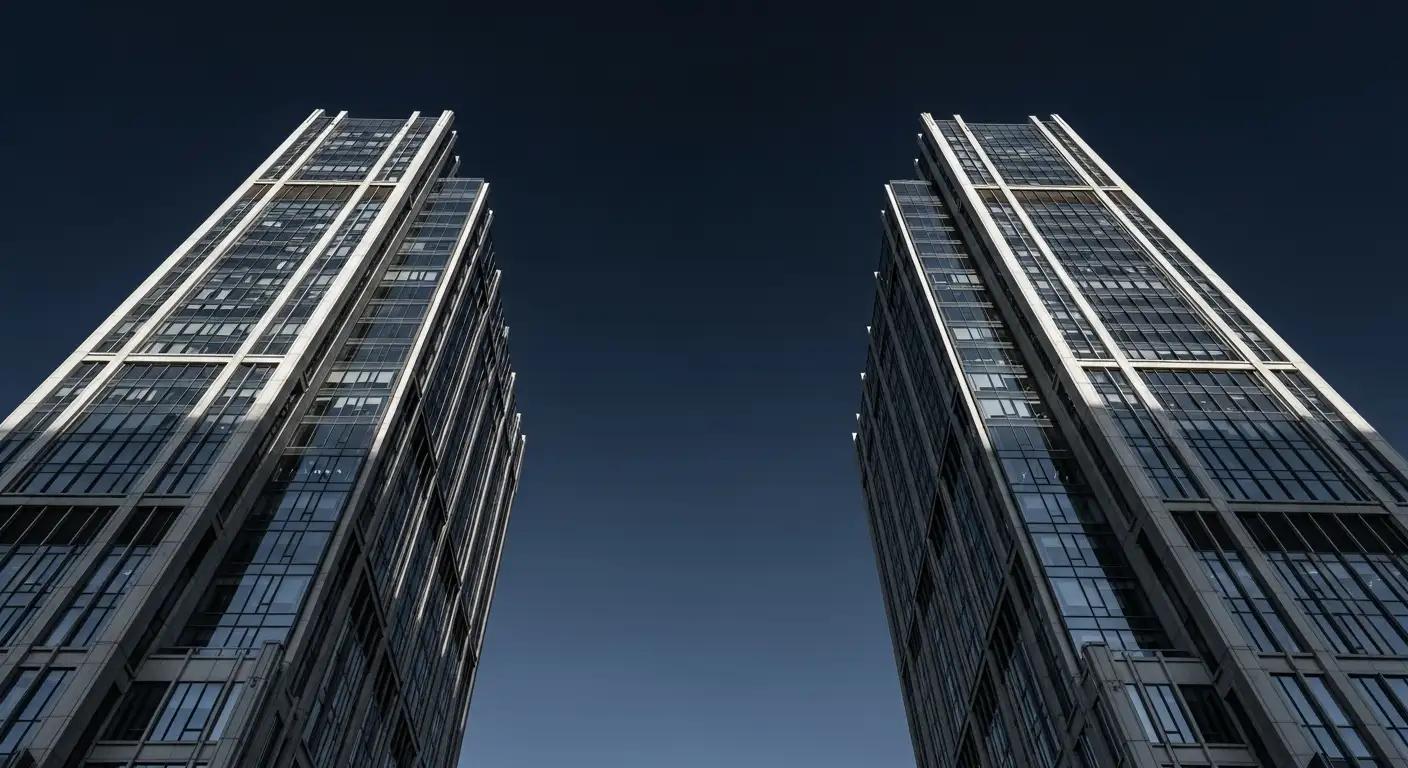
Two Class A buildings (2018 & 2020) setting the condition standard for Allen's office corridor
Allen's earliest commercial buildings are entering their 25–35 year maintenance inflection point
Collin County May 2023 storm — golf ball-sized hail, Insurance Council of Texas estimate
Why Choose Griffin Restoration
Commercial exterior restoration since 2000
Licensed in TX, OK, AR, and LA
56' and 72' — self-performing capability
Full coverage for commercial projects
Historical Building Restoration FAQ
How is historical building restoration different from standard renovation?
Standard renovation replaces deteriorated materials with modern equivalents — new caulk, new brick, new coatings. Historical building restoration requires matching the original: replicating mortar composition, color, and joint profile; sourcing period-compatible masonry; and using techniques that won't damage pre-1940 substrates. In Allen, where newer commercial construction has raised the visible bar on the Watters Creek and One Bethany corridor, owners of older institutional and civic buildings face pressure to restore rather than simply renovate — and doing it wrong can cause more damage than the original weathering.
What are the Secretary of the Interior's standards for historic preservation?
The Secretary of the Interior's Standards for Rehabilitation are four federal guidelines (Preservation, Rehabilitation, Restoration, Reconstruction) that govern work on historically significant properties. For exterior masonry, they require that repairs match the original in material, composition, texture, and color; that new work be distinguishable from original but compatible; and that reversible techniques be preferred over permanent alterations. These standards are prerequisites for federal historic tax credits, state preservation grants, and most preservation board approvals. Griffin documents compliance at every project phase.
How do you balance modern code requirements with historical preservation?
The Adaptive Reuse Envelope approach addresses this directly. We install modern thermal barriers, air barriers, and waterproofing layers behind or within the existing facade, preserving historical appearance while meeting current energy codes. Window replacement uses period-appropriate profiles with modern glazing performance. Seismic and structural work — where required — is executed behind the historical skin. Allen's commercial code environment is governed by Collin County and City of Allen ordinances; we coordinate with local building departments to ensure code compliance without compromising preservation intent.
What types of buildings qualify as historically significant?
Historic significance can be established through National Register of Historic Places listing, local historic overlay districts, or Texas Historical Commission designation. In Allen and throughout Collin County, buildings don't need formal listing to warrant historically sensitive restoration — any structure with original pre-1970 masonry, terra cotta ornament, or documented architectural character merits careful material analysis before work begins. Allen ISD's oldest campuses, early commercial buildings along Main Street, and civic structures qualify for this approach. We provide condition assessments and documentation that support formal listing applications if owners wish to pursue them.
How do you source appropriate materials for historical restoration?
Pre-1940 masonry requires lime-based mortars — not modern Portland cement, which is too hard and causes spalling in historic brick. We test existing mortar using acid dissolution and petrographic analysis to determine original composition, then work with specialty suppliers to match lime content, aggregate gradation, and colorants. Period brick is sourced from salvage yards and specialty manufacturers producing historically accurate sizes and textures. For terra cotta and decorative stone, we use cast stone, GFRC replicas, or — when feasible — salvaged original pieces. Every material substitution is documented for the project record.
Serving Allen and the DFW Metroplex — see all DFW service areas
Related Services
Historical building restoration often works alongside these complementary services.
Commercial Masonry Restoration
Tuckpointing, crack repair, and repointing for commercial masonry buildings. Foundation for any historical restoration scope.
Learn more about masonry restoration →Commercial Facade Restoration
Full building envelope assessment and restoration — cleaning, repair, coating, and sealant replacement coordinated as a single scope.
See our facade restoration work →Exterior Building Repair
Concrete spandrel repair, parapet wall reconstruction, and structural crack injection — the foundation beneath any preservation project.
Explore exterior repair capabilities →Protect Allen's Architectural Heritage
Whether you manage a corporate campus on the Watters Creek corridor, an Allen ISD facility, or a historic commercial property — we'll assess your building's exterior and deliver a preservation-compliant scope of work.